Why Chemical-Free Growing Matters
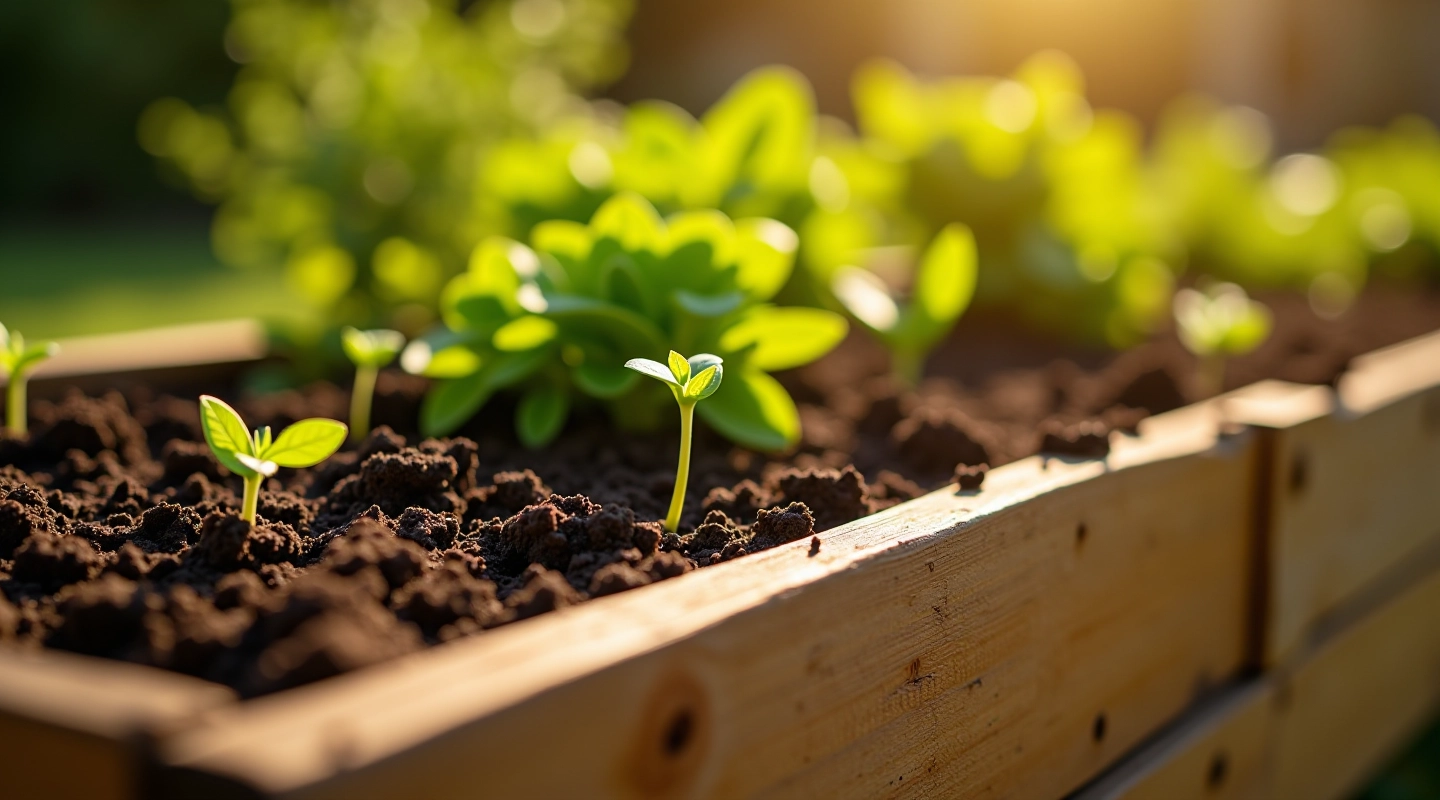
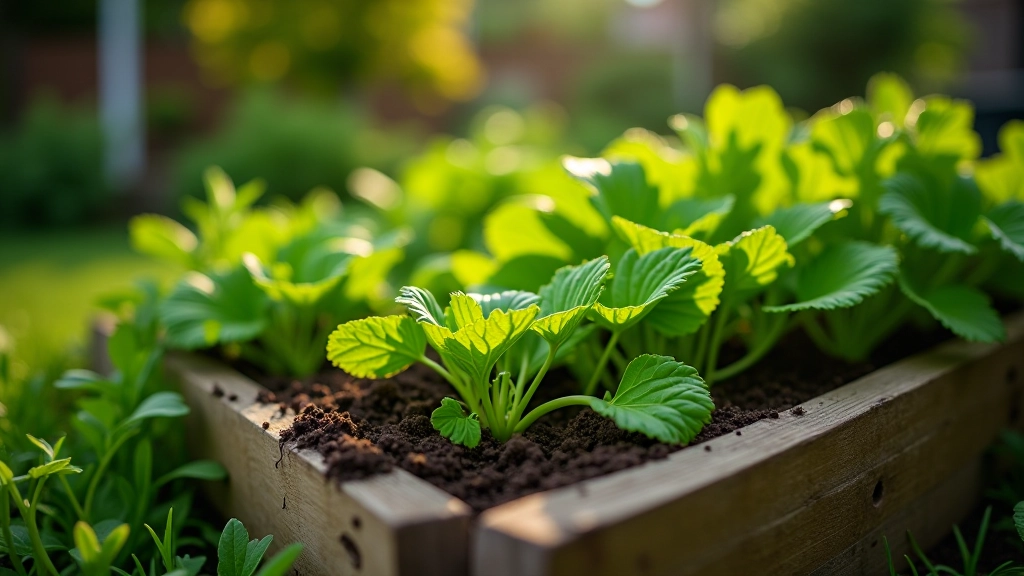
Your raised bed garden doesn't need synthetic pesticides or fertilizers to thrive. In fact, you'll get better results—and a healthier harvest—by working with nature instead of against it. The methods we're covering today aren't new or complicated. They're proven techniques that gardeners have relied on for generations.
The shift to organic gardening isn't just about avoiding chemicals. It's about building soil health, encouraging beneficial insects, and creating an ecosystem where your plants naturally resist pests and diseases. You'll notice the difference within the first season.
Build Your Foundation: Soil First
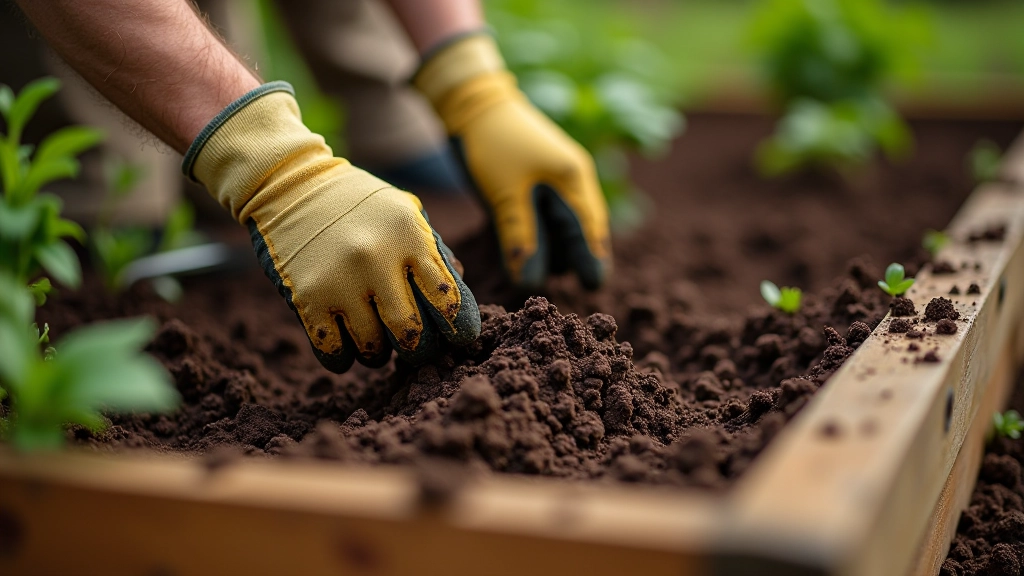
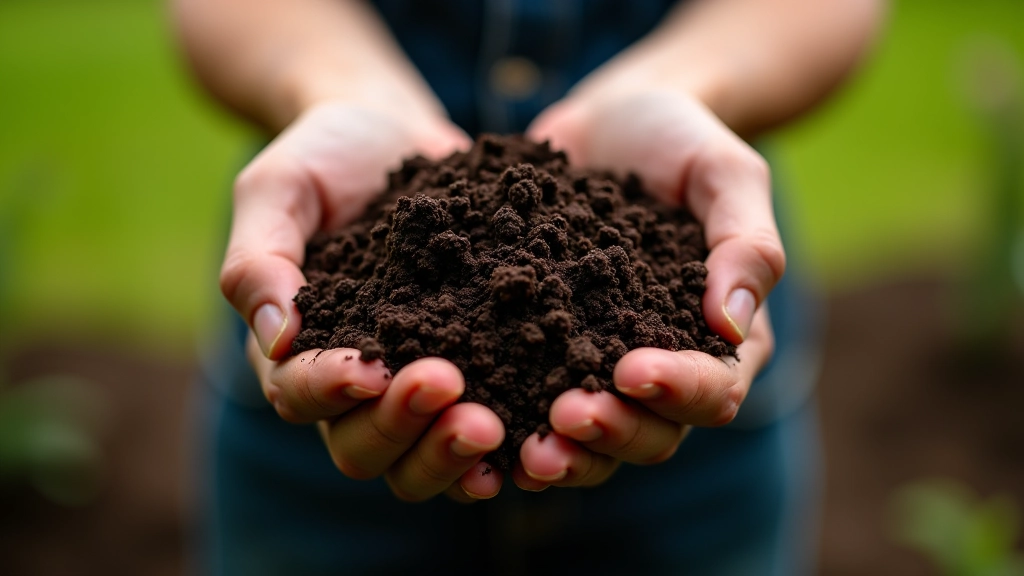
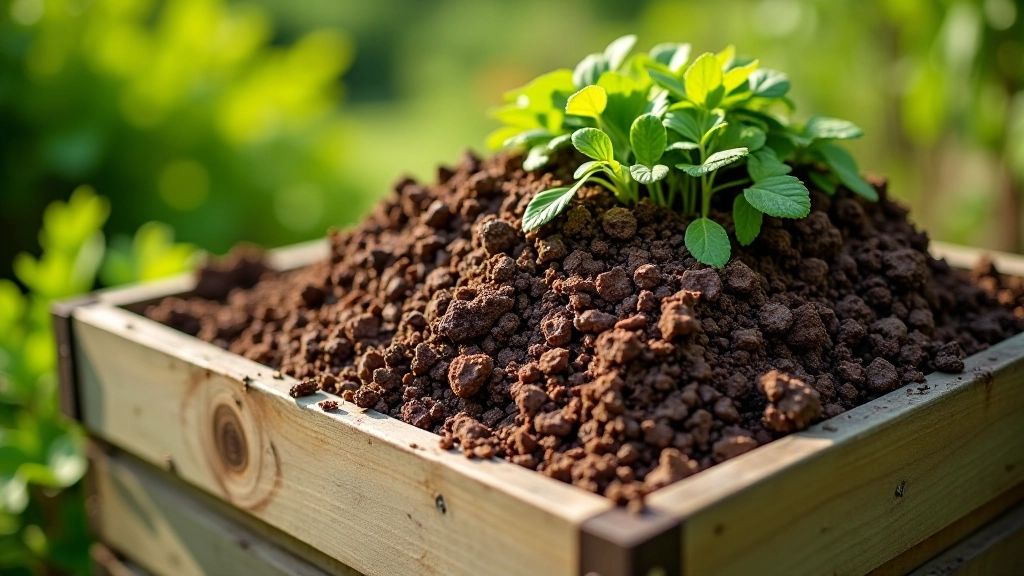
Everything starts with soil. You can't skip this part. When you've got living soil teeming with microorganisms and organic matter, your plants are already halfway to being healthy. Add compost every season—about 2 inches worked into the top 6 inches of your bed. Don't just sprinkle it on top and hope for the best.
The microbes in good compost break down organic material into nutrients your plants can actually use. They're like tiny workers building a nutrient delivery system. You'll want to add compost in spring before planting and again in autumn after harvest. The decomposition that happens over winter improves your soil structure for next year.
Top soil builders: Well-aged compost, leaf mold, aged manure (not fresh), and peat-free coir. Mix two or three together for best results.
Companion Planting: Let Plants Protect Each Other
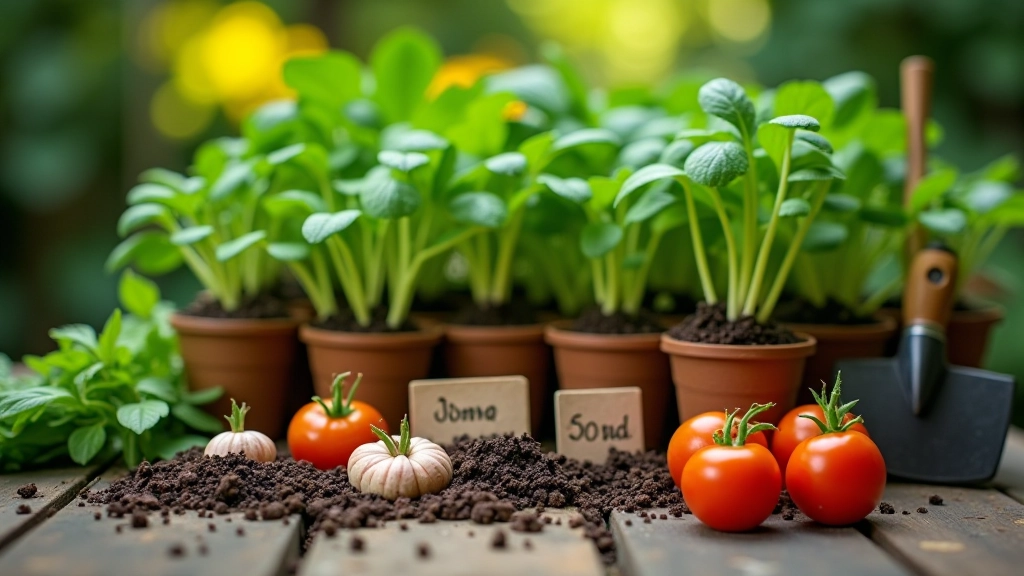
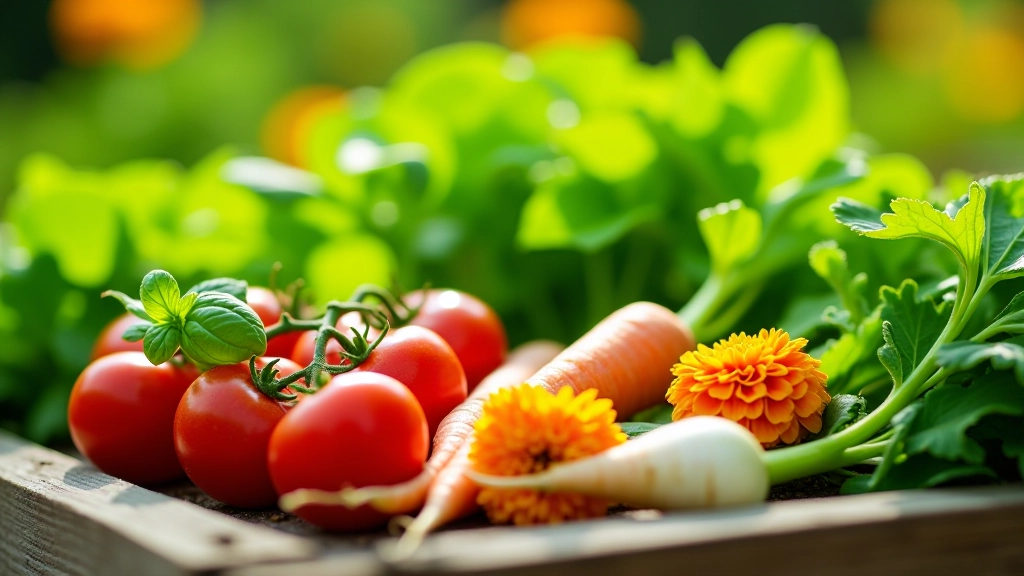
Companion planting isn't magic—it's practical gardening. Certain plants naturally repel pests or attract beneficial insects that eat the bad guys. Basil planted near tomatoes confuses spider mites. Marigolds attract hoverflies whose larvae devour aphids. Carrots and onions growing together actually reduce carrot fly problems because onions mask the carrot scent.
The key is diversity. A monoculture bed is like ringing a dinner bell for pests. When you've got multiple plant types growing together, you're creating an environment where predatory insects can thrive. A single hoverfly larva can eat up to 100 aphids in its lifetime. That's your pest control working 24/7 without any spray bottles.
Plant these combinations: tomatoes with basil and borage; beans with corn and squash (the "three sisters"); lettuce with radishes and parsnips. You'll fill your space more efficiently and naturally manage problems before they start.
Information Disclaimer: This article provides educational information about organic gardening methods. Results vary based on climate, soil conditions, and local pest populations. For persistent pest problems or disease issues, consult with your local agricultural extension office for region-specific advice tailored to Irish growing conditions.
Natural Pest Control That Actually Works
You don't need poison to control pests. You need persistence and the right approach. Start by checking your plants regularly—at least twice a week during growing season. Early detection makes everything easier. Spot one aphid colony when it's small? Blast it off with the hose. Catch caterpillars on a few leaves? Hand-pick them. This takes 10 minutes and prevents a full infestation.
For tougher problems, neem oil works well but only on soft-bodied insects—it won't touch Japanese beetles. Insecticidal soap handles mites and aphids. Bacillus thuringiensis (Bt) targets caterpillars specifically without harming anything else. You're using biological solutions that disrupt the pest's life cycle rather than poisoning everything in the soil.
Scout weekly: Walk your beds and inspect both sides of leaves where pests hide.
Remove by hand: Squish small colonies or drop insects into soapy water.
Use sprays as last resort: Only when hand removal isn't keeping up with damage.
Feeding Plants Without Synthetic Fertilizers
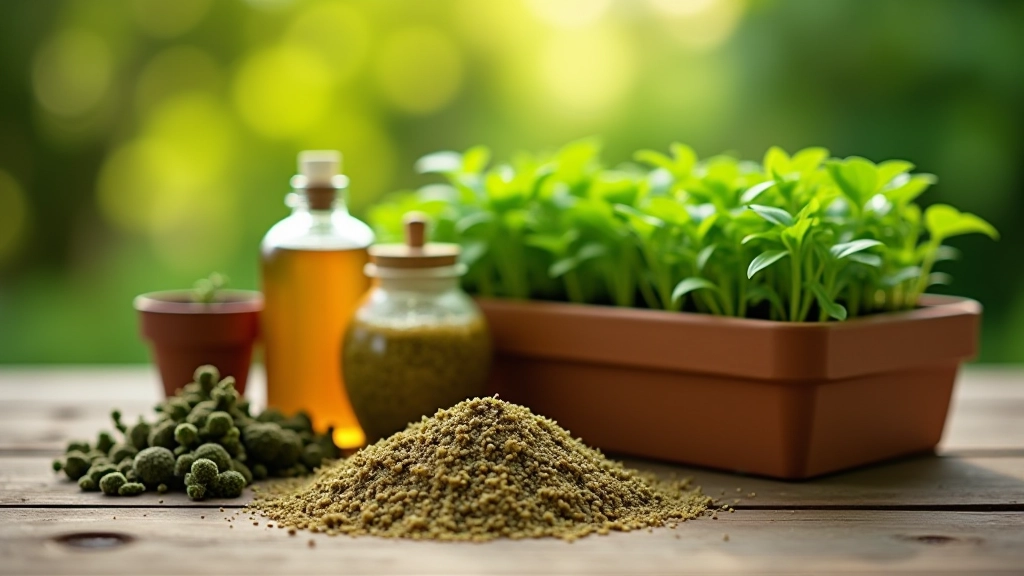
Organic fertilizers work differently than synthetic ones. They're not instantly available—they need to be broken down by soil microorganisms first. This sounds slower, but it's actually better. Your plants get a steady supply of nutrients over weeks rather than a quick spike that washes away. The result is stronger, more resilient plants.
Fish emulsion, seaweed extract, and compost tea feed both plants and soil. A fish emulsion spray every 2-3 weeks during the growing season gives your plants a quick nutrient boost when they're flowering or fruiting. Seaweed adds trace minerals that synthetic fertilizers often miss. Compost tea—just compost steeped in water for 24 hours—introduces beneficial microbes while feeding the plants.
Don't overthink it. If you've got good compost in your beds, you're already providing most of what your plants need. The liquid fertilizers are supplemental—they help when plants are growing quickly or producing heavily.
The Long Game: Patience Pays Off
Organic gardening requires you to think differently. Instead of quick fixes, you're building a system. Year one, you're establishing soil health. Year two, you're seeing beneficial insects colonize. Year three, you've got a garden that nearly manages itself. The first season takes more attention—more scouting, more compost additions, more observation. But you're learning your garden's rhythms.
You're also getting better vegetables. The flavor difference between organically grown tomatoes and chemically treated ones isn't subtle. Neither is the satisfaction of knowing exactly what went into your food. It's not harder—it's just different. Once you've tried it, you won't want to go back.